.png?width=500&height=500&name=DUHR%20New%20Logo%20(2).png)
What are Human Rights?
Human rights are the basic rights and freedoms that every person has simply because they are human. No government, organization, or individual gives us these rights, and no one has the legitimate authority to take them away. They belong to everyone, everywhere, regardless of:
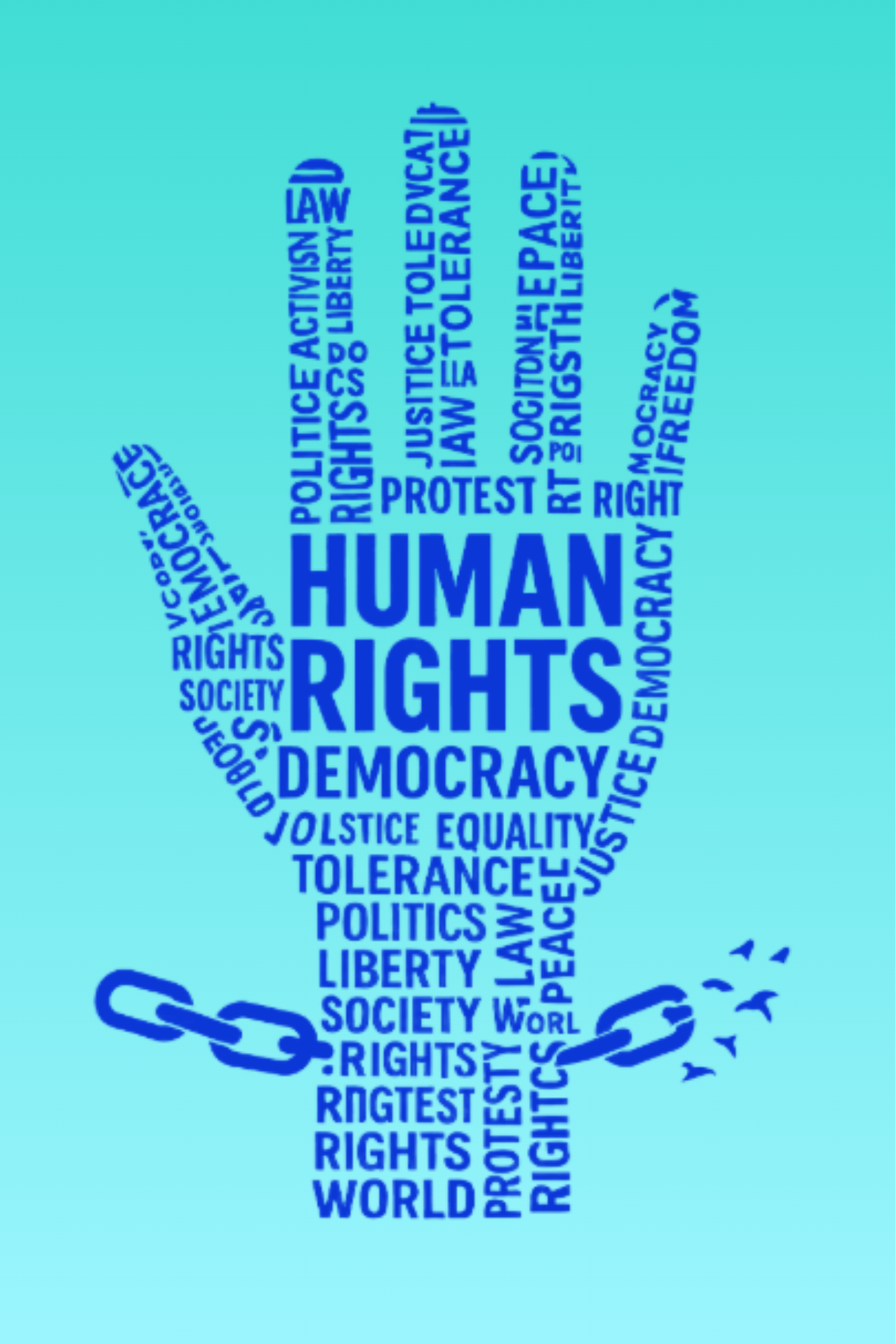
Universal and Inalienable
'Universal' means human rights apply to every person on the planet, everywhere and at all times. These rights do not depend on where someone is born, what country they live in, what they believe, or how they identify. Every human being is entitled to the same basic rights and dignity simply because they are human.
Indivisible & Interdependent
Human rights are connected and work together as a whole system. 'Indivisible' means you cannot separate one right from the others or decide that some are more important. 'Interdependent' means the enjoyment of one right often depends on others. For example, the right to education is linked to the right to non-discrimination and the right to speak your language.
Equal & Non-Discriminatory
All people have the same human rights, without exception. 'Equal' means no one has more or fewer rights than anyone else. 'Non-discriminatory' means rights cannot be denied or limited because of who you are or what group you belong to. Discrimination based on race, gender, religion, disability, sexual orientation, or any other status is a violation of human rights.
Obligations of States (Countries)
Governments have legal and moral duties toward human rights. These duties are often described in three parts: Respect: Do not interfere with or violate people’s rights.- Protect: Prevent others (like companies or individuals) from violating people’s rights. Fulfill: Take positive action—through laws, policies, and services—to make sure people can fully enjoy their rights. When a state signs human rights treaties or includes rights in its constitution or laws, it is formally committing to meet these obligations and be held accountable when it fails to do so.
.png "Website Update (3)")
What are the universal human rights? - Benedetta Berti
Have you ever wondered what human rights really mean? This video offers a clear and compelling starting point.
The Universal Declaration of Human Rights
The Universal Declaration of Human Rights (UDHR) was created in response to the devastation and injustice of World War II. After seeing the terrible human suffering caused by war, genocide, and discrimination, countries around the world recognized the need for a shared standard of rights and freedoms for all people. In 1945, the United Nations was established to help promote peace, dignity, and international cooperation, and one of its early goals was to define fundamental human rights. Led by a committee chaired by Eleanor Roosevelt, representatives from different countries and cultural backgrounds worked together to draft the declaration. On December 10, 1948, the United Nations General Assembly adopted the UDHR, setting out 30 articles that describe the basic rights and freedoms every person is entitled to. Although it is not a legally binding treaty, the UDHR has become one of the most important documents in modern history and has influenced constitutions, laws, and human rights agreements around the world.
Universal Declaration of Human Rights
Take a closer look at the history of the Universal Declaration of Human Rights and discover how it helped shape a more just world. This video offers a simple and engaging overview of how the declaration was created in 1948 and why its message still matters today.